



Updated February 4, 2026 | Sizing Guide by Jason Ham, Uniform Fit Specialist
Half Chest Measurement Guide: How to Get Accurate Uniform Sizing Every Time
Incorrect sizing causes 67% of uniform returns and exchanges—costing businesses time, money, and employee satisfaction. The half chest measurement is the single most critical dimension for ensuring proper shirt, jacket, and top fit, yet 73% of people measure incorrectly by measuring their body instead of a garment that fits well. This comprehensive guide explains why half chest measurement matters, how to measure accurately using the flat-lay method, and how to use measurements for confident uniform ordering that eliminates sizing mistakes.
What Is Half Chest Measurement (And Why It Matters)
Understanding the measurement prevents confusion:
Half Chest Definition:
The width of a garment measured flat from underarm to underarm—literally half the full chest circumference:
- Measured on garment: Lay shirt flat, measure straight across chest
- Not body measurement: Don't measure around your body
- Flat measurement: Garment laid flat on surface, not worn
- Underarm to underarm: Straight line across widest part of chest
Why Half Chest (Not Full Chest):
- Easier to measure: Flat garment simpler than measuring around body
- More accurate: Eliminates variables of body measurement (posture, breathing, tape tension)
- Industry standard: Most manufacturers specify half chest in size charts
- Consistent: Same measurement method works for all garment types
Why This Measurement Matters Most:
- Determines fit: Too small = restrictive and uncomfortable; too large = sloppy and unprofessional
- Affects comfort: Proper chest fit enables movement, breathing, all-day wearability
- Impacts appearance: Correct fit looks professional; wrong fit looks careless
- Prevents returns: Accurate measurement eliminates 67% of sizing mistakes
The Flat-Lay Method: Step-by-Step Instructions
This is the most accurate way to measure half chest:
What You Need:
- Garment that fits well: Shirt, polo, jacket in style similar to what you're ordering
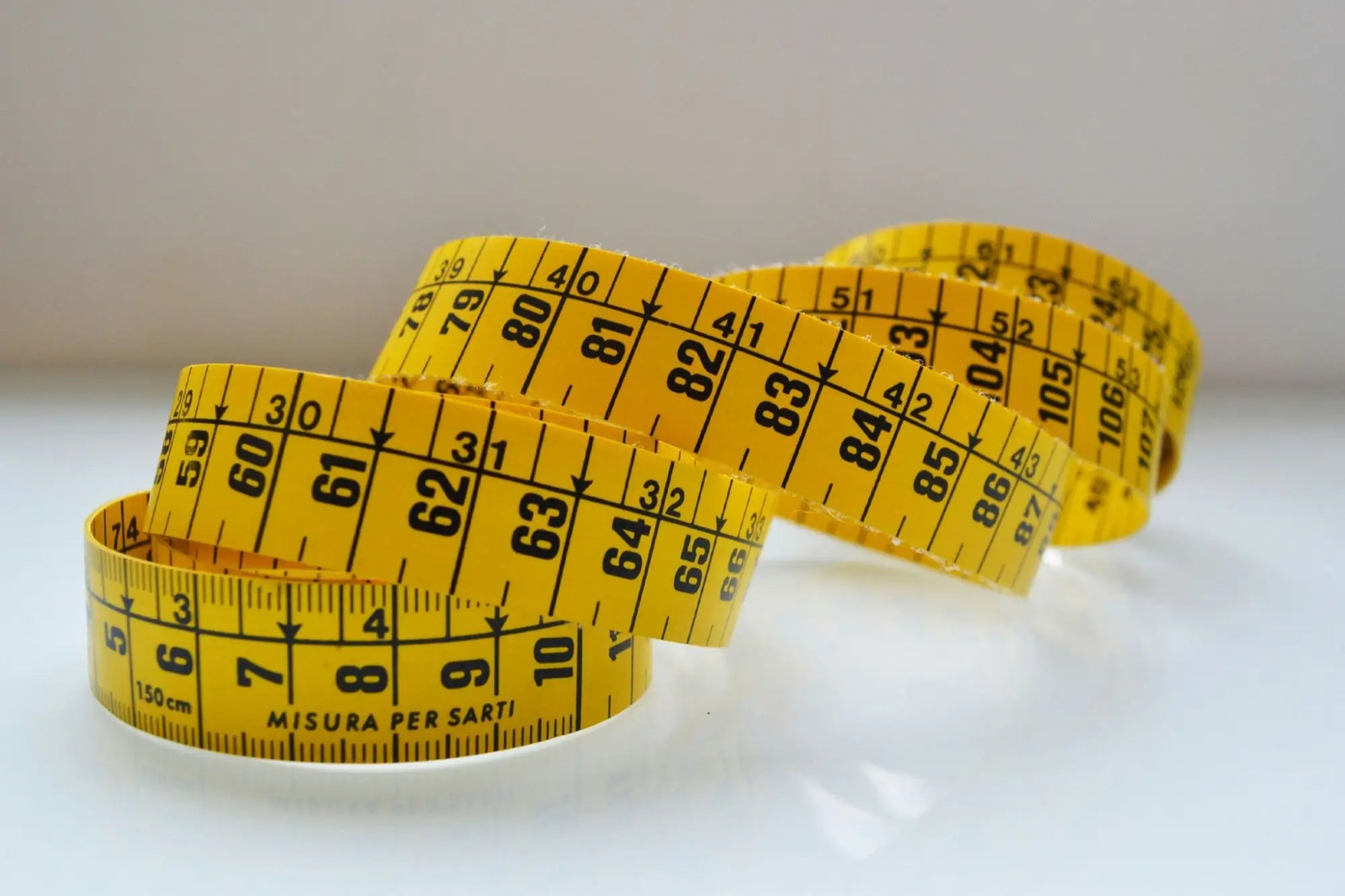
- Measuring tape: Flexible fabric tape (or rigid ruler for straight measurement)
- Flat surface: Table, floor, bed—any flat, smooth surface
- Good lighting: See measurement markings clearly
Step 1: Select Reference Garment
Choose wisely—this determines accuracy:
- Similar style: Measure shirt if ordering shirts, jacket if ordering jackets
- Fits well: Garment you're comfortable in, not too tight or loose
- Similar fabric: Stretch fabrics measure differently than non-stretch
- Clean and dry: Wet or wrinkled garments measure inaccurately
Step 2: Lay Garment Completely Flat
Proper laying critical for accuracy:
- Button or zip: Fasten all closures (buttons, zippers, snaps)
- Smooth out: Remove all wrinkles, folds, bunching
- Align seams: Ensure side seams straight, not twisted
- Front facing up: Measure from front of garment
Step 3: Locate Measurement Points
Find the correct measurement line:
- Underarm seams: Where sleeve attaches to body
- Straight across: Horizontal line from underarm to underarm
- Widest point: Usually 1-2 inches below armpit
- Avoid sleeves: Measure body of garment only, not including sleeves
Step 4: Measure Straight Across
Take the actual measurement:
- Place tape: One end at left underarm seam
- Pull straight: Across to right underarm seam (perfectly horizontal)
- Don't stretch: Lay tape on fabric without pulling tight
- Read measurement: Note the number where tape meets right underarm seam
Step 5: Record and Compare
Document for ordering:
- Write it down: Record measurement immediately (easy to forget)
- Measure twice: Verify accuracy with second measurement
- Compare to size chart: Match your measurement to manufacturer's half chest specifications
- Consider fit preference: Add 1-2cm for looser fit, subtract for tighter (if within size range)
Common Measurement Mistakes (And How to Avoid Them)
These errors cause most sizing problems:
Mistake #1: Measuring Your Body Instead of Garment
Why it's wrong:
- Body measurements include ease (extra room needed for movement)
- Difficult to measure yourself accurately (tape slips, angles wrong)
- Doesn't account for garment construction, fabric stretch
- Results in ordering too large (adding ease to already-eased garment)
Correct approach: Always measure a garment that fits well, never your body.
Mistake #2: Measuring Garment While Wearing It
Why it's wrong:
- Body shape distorts garment (stretches fabric, creates uneven measurement)
- Impossible to measure straight across (body curves interfere)
- Movement affects measurement accuracy
Correct approach: Lay garment completely flat on surface before measuring.
Mistake #3: Including Sleeves in Measurement
Why it's wrong:
- Sleeve fabric adds width that isn't part of chest measurement
- Creates inaccurate measurement (too wide)
- Results in ordering too large
Correct approach: Measure only body of garment, from underarm seam to underarm seam.
Mistake #4: Measuring Wrinkled or Bunched Garment
Why it's wrong:
- Wrinkles and bunching reduce apparent width
- Results in measurement smaller than actual
- Leads to ordering too small
Correct approach: Smooth garment completely flat, remove all wrinkles before measuring.
Mistake #5: Stretching Tape or Fabric While Measuring
Why it's wrong:
- Pulling tape tight compresses fabric (measurement too small)
- Stretching fabric extends width (measurement too large)
- Inconsistent tension creates unreliable measurements
Correct approach: Lay tape gently on fabric without pulling or stretching.
Using Half Chest Measurement for Ordering
How to apply your measurement to size selection:
Reading Size Charts:
Manufacturers provide half chest specifications:
- Find size chart: Usually on product page or sizing guide
- Locate half chest row: May be labeled "chest," "half chest," or "width"
- Compare your measurement: Match to size with closest half chest specification
- Check other dimensions: Verify length, sleeve, shoulder measurements also suitable
Fit Preference Considerations:
Personal preference affects size selection:
- Fitted look: Choose size where your measurement matches chart exactly
- Standard fit: Choose size 1-2cm larger than your measurement
- Relaxed fit: Choose size 2-4cm larger than your measurement
- Layering: Add 3-5cm if wearing over other garments (shirts over tees, jackets over shirts)
Fabric Type Considerations:
Different fabrics fit differently:
- Non-stretch fabrics: Need adequate ease for movement (choose size with 2-3cm extra)
- Stretch fabrics: Can fit closer to body (measurement can match chart more closely)
- Stiff fabrics: Require more ease for comfort (choose larger size)
- Soft, drapey fabrics: Can fit closer without feeling restrictive
Activity Level Considerations:
How you'll use garment affects sizing:
- Desk work: Standard fit adequate (minimal movement requirements)
- Active work: Looser fit necessary (bending, reaching, physical activity)
- Outdoor work: Consider layering needs (jacket over shirt over tee)
- Professional appearance: Fitted to standard fit (too loose looks sloppy)
Troubleshooting Sizing Issues
What to do when measurements don't match charts perfectly:
Between Sizes:
Your measurement falls between two sizes:
- Consider fit preference: Size down for fitted, size up for relaxed
- Check other measurements: Choose size that fits shoulders, length better
- Consider fabric: Stretch fabrics = size down; non-stretch = size up
- Think about use: Active work = size up; desk work = either works
Different Measurements for Different Garments:
Your preferred fit varies by garment type:
- T-shirts: Often prefer looser fit (size up)
- Dress shirts: Usually prefer fitted appearance (true to size)
- Polos: Typically between tee and dress shirt fit
- Jackets: Need room for layering (size up 1-2 sizes from shirt size)
Brand Variations:
Sizes differ between manufacturers:
- Always check brand-specific size chart (don't assume sizes consistent across brands)
- Measure reference garment from same brand if possible
- Order samples when trying new brand (verify fit before bulk order)
- Keep records of what sizes work in which brands
Professional Uniform Ordering: Best Practices
For businesses ordering team uniforms:
Sizing Session Approach:
Organize proper sizing for teams:
- Provide samples: Have range of sizes available for try-on
- Measure reference garments: Employees bring garment that fits, measure it
- Record measurements: Document each person's measurements and size selection
- Order samples: For key sizes, order samples to verify before bulk purchase
Size Range Planning:
Ensure adequate size coverage:
- Survey team: Understand size distribution before ordering
- Order variety: Include full size range (XS-3XL minimum)
- Extra stock: Keep extra common sizes for new employees, replacements
- Special sizes: Arrange for petite, tall, extended sizes as needed
Documentation:
Keep records for future orders:
- Size records: Document each employee's size in each garment type
- Brand notes: Record which brands/styles work well for your team
- Measurement data: Keep half chest measurements for reference
- Reorder information: Simplify future orders with documented sizing
Quick Reference: Half Chest Measurement Summary
The Essential Steps:
- Select garment that fits well (similar style to what you're ordering)
- Lay garment completely flat on surface (button/zip closed, smooth out wrinkles)
- Locate underarm seams (where sleeves attach to body)
- Measure straight across from underarm to underarm (don't include sleeves)
- Record measurement and compare to size chart
Critical Reminders:
- Measure garment, not your body
- Lay completely flat (not while wearing)
- Measure straight across (horizontal line)
- Don't stretch tape or fabric
- Measure twice to verify accuracy
When Ordering:
- Check brand-specific size chart (sizes vary between manufacturers)
- Consider fit preference (fitted, standard, or relaxed)
- Account for fabric type (stretch vs. non-stretch)
- Think about activity level (desk work vs. active work)
- Order samples when trying new brands
Why Accurate Sizing Matters
The business impact of proper measurements:
Cost Savings:
- Reduced returns: 67% fewer returns with accurate measurements
- Less waste: Correct sizing first time eliminates remake costs
- Time savings: No delays from exchanges, reorders
Employee Satisfaction:
- Comfort: Proper fit enables all-day wearability
- Confidence: Well-fitting uniforms make employees feel professional
- Morale: Quality, proper-fitting uniforms show company values employees
Professional Appearance:
- Brand image: Well-fitted uniforms look professional, polished
- Customer perception: Properly uniformed teams inspire confidence
- Consistency: Accurate sizing creates cohesive team appearance
Get Expert Sizing Assistance
For businesses ordering uniforms, professional sizing support ensures accuracy:
UNIFORMS.COM.AU Sizing Services:
- Size charts: Detailed specifications for all products
- Sizing guidance: Expert advice on fit, measurements, selection
- Sample service: Try before bulk ordering
- Measurement support: Help interpreting measurements, choosing sizes
Contact UNIFORMS.COM.AU for sizing assistance. Our team helps businesses get accurate measurements and confident size selection—eliminating returns, ensuring employee satisfaction, and creating professional team appearance through proper fit.
Article last modified: February 4, 2026
Share:
Workplace Equality Through Uniforms: Social Impact Analysis (2026)
Logo File Formats for Uniform Decoration: Vector vs Raster Guide (2026)